 This challenge will be practice intensive for those who want to apply their understanding of Bodhicitta with daily practice. We welcome new students who are looking to learn about the Bodhisattva Mind Training and how to apply it to their Buddhist path, as well as experienced students who have insights to share. This event will be in-person with an online option available.
“Peace and happiness can be attained, but not by searching for something in the outside world. They start within us then extend out to the entire globe.” – Khentrul Rinpoche
“The Tibetan word lojong literally means ‘mind training’ but the practice really has more to do with training our attitude, training us out of the habitual ways that we respond to situation that happen to us, especially adverse circumstances.” – Jetsunma Tenzin Palmo
The main book that will be used for the challenge will be The Power of Mind: A Tibetan Monk’s Guide to Finding Freedom in Every Challenge by Khentrul Lodrö T’hayé Rinpoche. The Power of Mind guides the reader through transformative practices one by one—from recognizing the value of our human life to overcoming the sources of suffering, together with meditation advice for incorporating these insights into our daily lives.
Register today!
This event will be in-person with an online option available.
Unable to afford the class, but want to attend. Email Lama Matt for the promo code.
Kick off party for the 108 Day Bodhisattva Challenge is Sunday January 4, 2026 at 10:30am and will be during the Sunday Service.
Sunday Dharma Talks beginning January 4th
Each week kicks off a new topic with a Sunday Dharma talk given by Lama Matt and the other Dharma Facilitators. Dharma Talks will be uploaded to the Rime Center’s Podcast each Monday. Participants are then encouraged to read the topic from the book.
Wednesday Online Discussions beginning January 7th
Participants will meet either in-person or online Wednesdays at 7:45 pm to discuss the week’s topic. There will be ample opportunity for questions and discussion about the practice that will include actions that can be applied to daily life/practice.
Join us as we explore the rich repository of Buddhist Sutras, Pali Canon, Chinese Ta-ts’ang-ching, and Tibetan Kangyur every first Sunday of the month after the Sunday Service. Sūtra (Pali. sutta) means ‘something that was heard from someone else’ and usually connotes ‘a discourse’.
In this chapter of the Sūtra, the Buddha teaches that a bodhisattva’s buddhafield is not purified through external conditions but through the purification of mind, intention, and conduct. Ethical discipline, compassion, generosity, and wisdom shape the world one inhabits. Reality reflects mind.
Facilitators: Lama Matthew Rice (Lobpön Palden Gocha) and Daniel Scharpenburg
Text: The Noble Mahāyāna Sūtra “The Teaching of Vimalakīrti” Chapter 1
Join us as we explore the rich repository of Buddhist Sutras, Pali Canon, Chinese Ta-ts’ang-ching, and Tibetan Kangyur every first Sunday of the month after the Sunday Service. Sūtra (Pali. sutta) means ‘something that was heard from someone else’ and usually connotes ‘a discourse’. In this Sūtra, Prince Siṃha asks the Buddha about bodhisattva conduct. The Buddha responds with verses on the karmic causes of their qualities. When Siṃha and his followers vow to train, the Buddha smiles, foretelling their future buddhahood.
Facilitators: Lama Matthew Rice (Lobpön Palden Gocha) and Daniel Scharpenburg
Text: Siṃha’s Questions
Join us as we explore the rich repository of Buddhist Sutras, Pali Canon, Chinese Ta-ts’ang-ching, and Tibetan Kangyur every first Sunday of the month after the Sunday Service. Sūtra (Pali. sutta) means ‘something that was heard from someone else’ and usually connotes ‘a discourse’. In this Sūtra, it teaches the concept of Tathagatagarbha—the inherent Buddha-nature within all beings—and its connection to the Noble Truths. The text explains that there are two levels of these truths: a limited, intellectual understanding and a deeper, self-realized one that is only fully attained by a Buddha. We will be studying Chapter 3, Section 7 The Tathagatagarbha.
Facilitators: Lama Matthew Rice (Lobpön Palden Gocha) and Daniel Scharpenburg
Text: Sutra on The Lion’s Roar of Queen Srimala: The Tathagatagarbha
Join us as we explore the rich repository of Buddhist Sutras, Pali Canon, Chinese Ta-ts’ang-ching, and Tibetan Kangyur every first Sunday of the month after the Sunday Service. Sūtra (Pali. sutta) means ‘something that was heard from someone else’ and usually connotes ‘a discourse’. In this Sūtra, the Buddha explains that the true path to “companionship with Brahmā” is not through Vedic rituals or knowledge of ancient scriptures, but through the practice of mental cultivation and the four Brahma-vihāras (loving-kindness, compassion, empathetic joy, and equanimity). We will be focusing on the forth section on Teaching the Path to the Divinity.
Facilitators: Lama Matthew Rice (Lobpön Palden Gocha) and Daniel Scharpenburg
Text: Experts in the Three Vedas: Teaching the Path to the Divinity
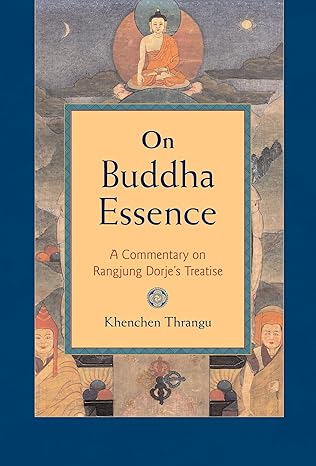
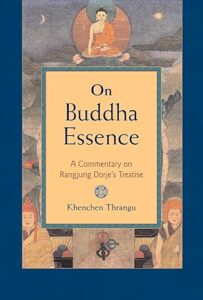 According to Tibetan Buddhist tradition, our true nature—Buddha essence—is the foundation from which all wisdom arises. In this class, we will explore how to uncover this essence through proper meditation practice, understanding its purpose, and integrating philosophy with experiential insight. Drawing on Khenchen Thrangu Rinpoche’s teachings and the classical Kagyu text by Rangjung Dorje (the Third Karmapa), this class offers clarity, warmth, and gentle humor to guide practitioners of all Tibetan Buddhist schools on the path to realizing their Buddha essence.
This class will be in-person only.
Register Online
Facilitator: Lama Matthew Palden Gocha
Date: 4 sessions beginning on November 5, 2025
Time: 7:45 – 9:00 pm
Class Fee: $30
Text: On Buddha Essence: A Commentary on Rangjung Dorje’s Treatise by Khenchen Thrangu Rinpoche – Get it on Amazon or at the Rime Center gift shop.
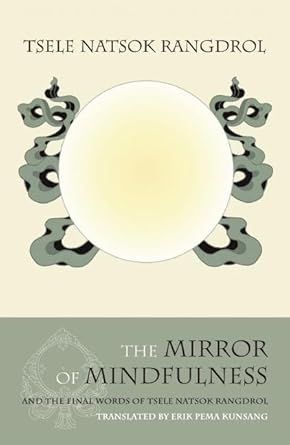
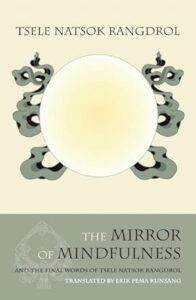 At the heart of every human being lies an identical essence—the potential to awaken as a Buddha. Join us as we explore The Mirror of Mindfulness, a presentation of Tibetan Buddhist teachings on the endless cycle of experience, including the four bardos. Rooted in an authentic spiritual lineage, this concise yet profound text provides practical guidance for meeting life’s joys and sorrows with clarity, equanimity, and compassion. Its teachings have been applied by people from all walks of life—monks and kings, merchants and householders—helping them not only to endure change but to transform it into wisdom and peace.
This class will be in-person only.
Register Online
Facilitator: Lama Matthew Palden Gocha
Date: 4 sessions beginning on September 24, 2025
Time: 7:45 – 9:00 pm
Class Fee: $30
Text: The Mirror of Mindfulness byt Tsele Natsok Rangdrol – Get it on Amazon.
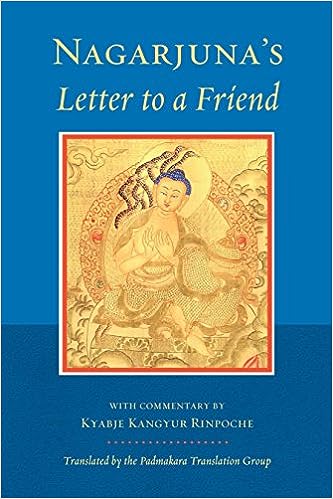
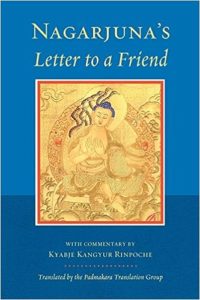 Come join us at the Rime Buddhist Center for an enlightening event where we will delve into the teachings of Mahayana Buddhism. Using Nāgārjuna’s classic text Letter to a Friend, this class will provide you with a foundational understanding of the Mahayana path, its principles, and practices. Whether you are new to Buddhism or seeking to deepen your knowledge, this class is open to all who are curious and eager to learn. Join us for an insightful journey into the profound teachings of Mahayana Buddhism. We look forward to seeing you there!
This class will be in-person with an online option.
Register Online
Facilitator: Hans Von Rautenfeld
Date: 6 sessions beginning on November 5, 2025
Time: 7:45 – 9:00 pm
Class Fee: $30
Text: Nāgārjuna’s Letter to a Friend – Get it on Amazon or at the Rime Center gift shop.
Join us as we explore the rich repository of Buddhist Sutras, Pali Canon, Chinese Ta-ts’ang-ching, and Tibetan Kangyur every first Sunday of the month after the Sunday Service. Sūtra (Pali. sutta) means ‘something that was heard from someone else’ and usually connotes ‘a discourse’. In this Sūtra, the Buddha explains four factors to Maitreya for overcoming negative deeds: repentance, antidotal action, restraint, and support. Buddha advises regular sūtra recitation.
Facilitators: Lama Matthew Rice (Lobpön Palden Gocha) and Daniel Scharpenburg
Text: The Sūtra Teaching the Four Factors
 This challenge will be practice intensive for those who want to apply their understanding of Bodhicitta with daily practice. We welcome new students who are looking to learn about the Bodhisattva Mind Training and how to apply it to their Buddhist path, as well as experienced students who have insights to share. This event will be in-person with an online option available.